How to read a coffee bag
Altitude, varietal, process, a list of fruits you've never seen in a coffee. What all of it means.

Pick up a bag of supermarket coffee and you'll get a strength number from one to five and a picture of a mountain. Pick up a bag of specialty coffee and you'll get a small essay.
Every line is a clue to how the coffee will taste but it does take a bit of decyphering. Here's how to read them, roughly in order of how much they matter.
1. Roast date
Arguably the most important line on the bag. You won't find this on supermarket coffee though. It's different to a use by date and supermarkets don't want to advertise that a coffee might have been roasted 4 months ago. Coffee is at its best from about a week to six weeks after roasting. After that it slowly fades and goes flat. Some people like to buy freshly roasted coffee and store it until this time in order to enjoy it at it's best.
2. Origin
The country, and often the region, the farm or the washing station. The more specific it gets, the more traceable the coffee is.
Origin gives you a rough starting point. Kenyan and Ethiopian coffees tend to be bright and fruity. Brazilian coffees tend to be nutty and chocolatey. Central American coffees often sit in the middle. Rough is the key word. Try coffees from as many regions as you can to find where your preference sits and what each region offers.
3. Process
How the fruit was removed from the seed: washed, natural, honey, anaerobic and others. This shapes flavour hugely. We've written a whole guide to processing, but the short version is: washed is clean and bright, natural is fruity and wild. Not to be confused with co-infusion which is infusing coffee with something else during the fermentation period which adds a distinct flavouring. We do not deal in flavoured coffees.
4. Variety
Coffee plants come in varieties, the way apples do. Bourbon, Caturra, Typica, SL28, Geisha and hundreds more. Each has its own character. Gesiha is famous for tasting floral and tea-like. It's equally famous for its price tag!
You don't need to memorise these. Just notice which ones keep turning up in coffees you love.
5. Altitude
Usually shown in metres above sea level (masl). Higher farms are cooler, so the cherries ripen slower and develop more sugar and acidity. As a rule of thumb, higher grown means brighter and more complex. Lower grown means softer and rounder.
6. Tasting notes
This is where people get suspicious. "Gooseberry? In coffee?"
Nothing has been added, tasting notes are just comparisons. They're the closest familiar flavours a taster could find for what's in the cup. You won't taste a literal gooseberry. You might taste something tart, green and fresh that reminds you of one.
Treat them as a direction, not a promise. If a bag says chocolate and caramel, expect something comforting and rich. If it says citrus and florals, expect something bright and light. You'll rarely have words like chocolate alongside citrus fruit.
7. Roast level and brew suggestion
Many roasters will say whether a coffee is roasted for filter or espresso, or both. Light roasts shine in filter. Medium roasts are the all-rounders. Use this to match a coffee to the way you brew. Whilst there's no hard and fast rules and you can brew a light filter coffee through an espresso machine, it you not deliver the 'best' expression of the bean.
8. The name
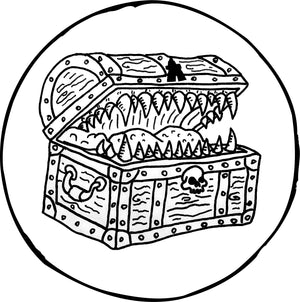
On most bags it's the farm or the region. On ours it's something like Mimic or Light Reaper. That's because we name every coffee with a roll of the dice. If you're curious, here's how the naming ritual works.